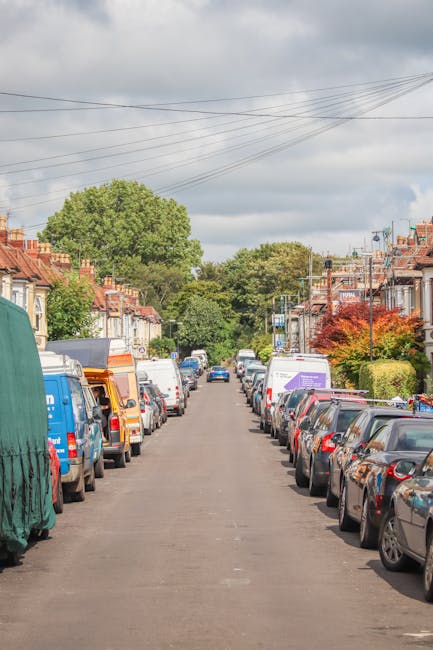
Stepney Green Mile End man and van guide for small flats
If you are moving out of a compact flat in Stepney Green or Mile End, the job can look simple on paper and still feel oddly complicated in real life. Narrow stairwells, a lift that seems to have a mind of its own, parking that disappears the moment you need it, and a few heavy bits of furniture can turn a one-bedroom move into a long afternoon. This Stepney Green Mile End man and van guide for small flats is here to make that process calmer, clearer, and frankly less annoying.
Small-flat moves are usually quicker than full house removals, but they still need planning. The right service can save you time, protect your belongings, and reduce the number of back-and-forth trips across East London. In this guide, we'll cover how a man and van move works, what to watch out for locally, how to prepare a small flat properly, and when it makes sense to choose a bigger removals option instead. Let's keep it practical.
Table of Contents
- Why Stepney Green Mile End man and van guide for small flats Matters
- How Stepney Green Mile End man and van guide for small flats Works
- Key Benefits and Practical Advantages
- Who This Is For and When It Makes Sense
- Step-by-Step Guidance
- Expert Tips for Better Results
- Common Mistakes to Avoid
- Tools, Resources and Recommendations
- Law, Compliance, Standards, or Best Practice
- Options, Methods, or Comparison Table
- Case Study or Real-World Example
- Practical Checklist
- Conclusion
- Frequently Asked Questions
Why Stepney Green Mile End man and van guide for small flats Matters
Small flats in Stepney Green and Mile End often sit in busy streets, older converted buildings, or modern blocks with shared access. That sounds normal enough until move day starts. A sofa that fit perfectly in your lounge can suddenly become a puzzle at the front door. A parking bay can be out of reach. A flight of stairs can add ten minutes per item, then twenty, then you begin to wonder if the wardrobe was always that heavy. It probably was, to be fair.
This guide matters because small-flat moves are one of those jobs where good planning pays off fast. A man and van service is usually well suited to smaller loads, especially when you do not need a full-size removal truck or a large crew. But the local details matter more than many people expect. In areas like Stepney Green and Mile End, access, timing, and vehicle size can shape the whole move.
There is also a cost angle. When your move is compact, you do not want to overpay for a service that is too large for the job. At the same time, going too cheap can mean poor handling, weak communication, or a van that turns up without the right gear. Truth be told, the sweet spot is usually a small, efficient team that understands flat removals and East London logistics.
For anyone moving near tower blocks, mansion blocks, student flats, or small converted homes, this is not just a "nice to know" topic. It can be the difference between a move that feels controlled and one that eats the whole day.
How Stepney Green Mile End man and van guide for small flats Works
A man and van move is straightforward in principle. You book a vehicle and one or more helpers to load, transport, and unload your items. For small flats, this usually suits one-bedroom homes, studio apartments, student accommodation, or partial moves where you are taking furniture, boxes, and household items to a new address.
Most services work in a few common ways:
- Hourly booking: useful when the move is local and the load is moderate.
- Fixed-price quote: helpful when the size, access, and route are clear in advance.
- Single-item or small-load move: ideal for a bed, sofa, washing machine, or a few bulky items.
The quality of the move depends on more than the van itself. A good operator will ask about stairs, lift access, parking, walking distance from the van to the door, and whether anything needs dismantling. That part matters. If someone quotes blindly without asking about access, you may get a surprise on the day, and not the good kind.
In Stepney Green and Mile End, the most common friction points are tight roads, controlled parking, shared entrances, and buildings with awkward internal layouts. A van parked a little too far away can mean multiple trips with boxes through rain, past other residents, around bins, and up another staircase. By the third trip, even a light lamp starts to feel personal.
That is why the best small-flat moves are planned around the building as much as the belongings. The move itself is simple. The access is where the real work lives.
Key Benefits and Practical Advantages
For small flats, the man and van model has a few genuine advantages. It is not just about saving money; it is about choosing the right-sized solution.
- Better fit for smaller loads: You are not paying for spare truck space you will never use.
- Faster loading and unloading: With fewer items, a compact team can often move efficiently.
- Flexible timing: Local jobs can sometimes be arranged around tight schedules, which is handy if your tenancy handover is the same day.
- Easier access in busy streets: A smaller vehicle can be easier to position near a flat than a larger lorry.
- Less stress for awkward items: A two-person team with the right tools can handle stairwells, sofas, beds, and white goods more safely than trying to improvise with friends and a borrowed car.
There is another benefit people underestimate: mental load. When you are moving from a compact flat, you are often juggling cleaning, key handover, utilities, and maybe a final day at work too. Having a focused move plan keeps the day from spiralling. A small job can still feel huge when the clock is ticking.
Used well, a man and van service gives you control. You decide how much help you want, what gets moved, and how much packing you will do yourself. That flexibility is a big deal in smaller homes where every item seems to have a story and a place it must be wrapped, carried, and placed just so.
Who This Is For and When It Makes Sense
This service is a strong fit for people who do not need a full-scale removals operation but still want professional help. If that sounds familiar, you are probably in the right place.
It usually makes sense for:
- students moving between shared houses or studio flats
- renters leaving a one-bedroom or one-bed-plus-study flat
- people downsizing into a smaller property
- tenants moving furniture in stages rather than all at once
- anyone collecting bulky furniture bought privately
- households sending a few items to storage
It can also be a sensible option if you are moving near Queen Mary University, working odd hours, or trying to complete a move outside the obvious peak times. Some customers only need a few items shifted; others need a full one-bedroom flat emptied. The key is not the property type alone, but the volume, access, and timing.
When does it stop making sense? Usually when you have a larger family property, a lot of fragile furniture, several heavy appliances, or complex packing and disassembly needs. In that case, a broader option such as flat removals or even a fuller service like removal services may be more practical.
If you are unsure, ask yourself one simple question: are you moving belongings, or are you moving an entire life in boxes? That sounds dramatic, but you know what I mean. The answer usually points you to the right level of help.
Step-by-Step Guidance
Here is a sensible way to organise a small-flat move in Stepney Green or Mile End without turning it into a last-minute scramble.
1. Make a room-by-room list
Walk through the flat and note every major item first, then the boxes, bags, and oddments. Do not forget things in cupboards, under beds, or on balconies. Small flats often hide more than you expect. A quick list saves a surprising amount of stress later.
2. Measure the large items
Measure beds, sofas, wardrobes, desks, and tall appliances. Check door widths and any stair turns if the building is tight. If an item needs to be taken apart, note that early. A few minutes with a tape measure can save a lot of grunting on move day.
3. Check access at both addresses
Look at parking, loading space, lift availability, stair count, and whether there are any gates, intercoms, or entry codes. In many East London blocks, the difference between an easy move and a hard one is the walking distance from the van to the front door.
4. Decide what you will pack yourself
Most people pack personal items and leave furniture handling to the moving team. If you are time-poor, pairing the move with packing and unpacking services can be a relief, especially for fragile items or a late tenancy changeover.
5. Book the right vehicle size
For a small flat, bigger is not always better. A carefully sized van can be easier to park and quicker to load. Too small, though, and you end up paying for repeat trips. The right balance depends on volume, access, and how much you have dismantled already.
6. Confirm timing and contact details
Agree on arrival window, address details, access instructions, and any building rules. If your block has a time restriction for loading, mention it. The best moves start with clear communication, not optimism.
7. Prepare the flat the day before
Disassemble what you can, label boxes by room, and separate essentials like chargers, medication, paperwork, and kettle stuff. Keep pathways clear. There is always one last-minute item you forgot, of course, but this reduces the chaos.
8. Do a final sweep before the van leaves
Check cupboards, behind doors, on top of wardrobes, and inside appliances. A forgotten charger is annoying. A forgotten passport is a much bigger drama. Ask me how people usually notice that one.
Expert Tips for Better Results
Small-flat moves are often won or lost in the details. Here are the things that make the day smoother in practice.
- Use proper bags and boxes: Weak boxes collapse at the worst moment. Choose sturdy, stackable cartons and avoid overfilling them.
- Label more than the room name: Add a short note like "fragile mugs" or "open first" so unloading is faster.
- Protect awkward furniture: Blankets, stretch wrap, and corner protection reduce scuffs on both furniture and hall walls.
- Keep one essentials bag with you: Put keys, documents, chargers, toiletries, and a change of clothes somewhere you can reach quickly.
- Take photos before dismantling: Handy for bed frames, shelving, and cable setups. Future-you will be grateful.
- Build in a little slack time: Even a neat move can be delayed by traffic, lift queues, or an over-friendly neighbour who wants a chat at exactly the wrong second.
If your flat has awkward access, mention it early and clearly. A good mover can often work around odd entrances, but only if they know what they are facing. This is especially true for older buildings or converted properties where stair geometry is just a bit strange. You know the kind.
One more thing: clear communication beats guesswork every time. A five-minute phone call can be worth more than three emails. In our experience, the smoothest moves are almost always the ones where the customer says, plainly, "Here's the staircase, here's the parking, here's the one nightmare item." Honest and done.
Common Mistakes to Avoid
There are a few mistakes that come up again and again with small-flat moves. Most are easy to avoid once you know them.
- Underestimating the volume: Small flats can feel deceptively light until the cupboards are opened and the storage baskets appear.
- Ignoring access issues: A narrow staircase or poor parking plan can slow everything down.
- Forgetting the building rules: Some blocks have loading restrictions or require advance notice for moves.
- Leaving packing too late: Rushing at the end leads to broken items and forgotten essentials.
- Booking only on price: The cheapest option is not always the best value if the service is unreliable or underprepared.
- Not checking insurance and safety standards: If something matters to you, ask how it will be handled and protected.
A classic one is assuming a "small flat" means "easy job". Not always. A top-floor flat with no lift and a tight turn in the stairwell can be more demanding than a larger ground-floor move. The flat size tells only part of the story.
Another common slip is forgetting to separate the items you are keeping from the items you are throwing out. That sounds obvious, but on move day the lines blur fast. One box of mixed bits can derail an otherwise tidy plan.
Tools, Resources and Recommendations
You do not need a warehouse full of gear to move a small flat well. A few basics go a long way.
| Item | Why it helps | Best used for |
|---|---|---|
| Sturdy moving boxes | Protects items and stacks neatly | Books, kitchenware, clothes, small appliances |
| Bubble wrap or paper | Cushions fragile items | Glass, ceramics, lamps, framed pieces |
| Stretch wrap | Keeps drawers and loose parts secure | Furniture, chairs, mattress edges |
| Furniture blankets | Reduces scratches and knocks | Sofas, tables, wardrobes |
| Tape and labels | Makes unloading quicker | Box sealing and room naming |
| Allen keys, screwdriver, basic tools | Helps with dismantling and reassembly | Beds, desks, shelving |
For related planning, it can help to look at pages on packing and boxes, furniture removals, and storage if your move is happening in stages. Those options are especially useful when the new flat is not ready yet, or you are trying to keep corridors clear during a split move.
If you are moving something unusually awkward, such as a piano or a very large wardrobe, check whether a specialist approach is needed. A regular small-flat move can handle a lot, but not everything. Good judgement beats bravado. Always.
Law, Compliance, Standards, or Best Practice
For a local move in Stepney Green or Mile End, the biggest compliance issues are usually practical rather than dramatic. Parking rules, access permissions, building regulations, and safe lifting practices are the main things to get right.
In London, many streets have parking controls, permit zones, or loading restrictions, so it is wise to plan ahead rather than assume the van can stop anywhere for as long as needed. If you live in a managed block, check whether the building requires notice for removals or has lift booking rules. Those rules are often simple, but they still matter on the day.
From a safety perspective, good practice means using appropriate handling methods, keeping walkways clear, and not overloading boxes or carrying items in a way that risks injury. Reputable movers should also care about protecting walls, floors, doors, and shared spaces. That is not just courtesy; it helps avoid disputes with landlords, neighbours, or building management.
If you are comparing providers, useful trust signals include clear pricing information, transparent terms, sensible communication, and evidence that the business takes health and safety seriously. Pages such as insurance and safety, health and safety policy, and terms and conditions can help you check that a service is set up properly.
Small moves should still be treated professionally. The job may be compact, but the standards should not be casual.
Options, Methods, or Comparison Table
Not every small-flat move needs the same setup. Here is a simple comparison that helps narrow the choice.
| Option | Best for | Strengths | Limitations |
|---|---|---|---|
| Man and van | Studio flats, one-bed flats, a few bulky items | Flexible, usually cost-effective, suited to local moves | May need more planning for larger loads |
| Flat removals | Full small-flat moves with more furniture | Better for structured moves and larger item counts | Can be more than you need for very small jobs |
| Removal services | Moves with packing, furniture handling, and wider support | More hands-on help and fewer tasks for you | Usually a bigger investment |
| Self-move with hired van | People with help from friends and minimal items | Potentially cheaper upfront | More physical strain, more risk, more coordination |
There is no single best answer for everyone. If you have two beds, a sofa, a dining table, and several heavy boxes, a broader service may be worth it. If you are moving a compact set of belongings from Stepney Green to Mile End, a man and van is often the sweet spot. Simple as that.
For some people, the real comparison is not price versus price; it is time, effort, and the risk of damage. That is where professional help can quietly save the day.
Case Study or Real-World Example
Here is a typical scenario from the kind of move this guide is built for.
A renter in a third-floor Mile End flat was moving to a smaller place near Stepney Green. The load was modest: a bed frame, mattress, small sofa, desk, two chairs, a TV, and around twelve boxes. On paper, not much. In reality, the building had a narrow stairwell, the lift was unreliable, and the nearest legal parking spot was not directly outside the front door.
The move went well because it was planned properly. The customer measured the larger items in advance, dismantled the bed, packed the boxes by room, and confirmed the access details before booking. The mover arrived with protective kit, used blankets for the sofa, and made an efficient loading route from the flat to the van. There was a short pause for a parking issue, of course, because London likes to keep everyone humble, but it did not derail the day.
What made the difference was not luck. It was preparation. The customer knew what had to go, what needed dismantling, and which items would need extra care. The moving team knew about the stairs, the lift, and the parking constraints before turning up. That combination kept the move smooth and reduced the number of awkward surprises.
It is a good reminder that small-flat removals are often less about size and more about sequence. Get the sequence right and the day feels manageable. Get it wrong, and suddenly you are carrying a mattress through a hallway at 6 p.m. while everyone is tired. No thank you.
Practical Checklist
Use this checklist the day before your move, or earlier if you can.
- Measure large furniture and doorways
- Confirm van size and arrival time
- Check parking and building access
- Label boxes by room and priority
- Pack an essentials bag
- Dismantle beds, shelves, and loose furniture where possible
- Wrap fragile items securely
- Separate items for disposal, donation, storage, and moving
- Keep keys, documents, and chargers within reach
- Do a final sweep of cupboards, wardrobes, and under furniture
- Take meter readings if needed
- Clean and photo-check the flat before handover
Key takeaway: the best small-flat move is the one that feels organised before the van even arrives. A little structure makes a very big difference, and it usually costs less than panic later.
Conclusion
A Stepney Green Mile End man and van guide for small flats is really about matching the move to the space. Small flats are often straightforward, but only if you plan for access, timing, furniture size, and the realities of East London streets. Do that well, and the move becomes a tidy, manageable job rather than a drawn-out ordeal.
If you remember only a few things, remember these: measure the big pieces, check the parking, pack early, and choose a service that understands compact flat moves. That is usually enough to avoid the most common headaches. And if you are still undecided, ask for clear advice before the day arrives. A good moving plan gives you breathing room, and on move day, that matters more than people realise.
For more background on services, pricing, and move planning, you may also find it useful to review pricing and quotes, about us, and contact us if you want to talk through a specific small-flat move.
Get a free quote today and see how much you can save.
In the end, a good move is one that lets you arrive, breathe out, and get on with settling in. That first cup of tea in the new place always tastes better when the heavy lifting is already behind you.
Frequently Asked Questions
What counts as a small-flat move in Stepney Green or Mile End?
Usually, this means a studio, one-bedroom flat, or a partial move with a limited number of furniture items and boxes. The exact fit depends more on access and item size than the number of rooms alone.
Is a man and van service enough for a one-bedroom flat?
Often yes, especially if the furniture list is modest and the access is manageable. If you have several large items, difficult stairs, or lots of packing to do, a broader removals service may be a better fit.
How far in advance should I book?
As early as possible if your move falls on a busy day, weekend, or month-end period. That said, local small-flat moves can sometimes be arranged at shorter notice if availability allows.
Do I need to dismantle furniture before the move?
Not always, but it helps. Beds, shelving, and some wardrobes move more safely and efficiently when broken down in advance. If you are unsure, ask what the mover prefers.
Can a man and van handle stairs and tight access?
Yes, within reason. Good movers are used to stairwells, narrow hallways, and awkward entrances. The key is to describe the access clearly before the job starts.
What should I tell the mover before booking?
Share the inventory, access details, parking situation, lift availability, and whether any items are unusually heavy or fragile. The more accurate the information, the smoother the move tends to be.
How do I avoid paying for more than I need?
Choose a vehicle and service level that match your actual load. A small-flat move usually does not need a large truck, but underestimating the volume can also create delays, so be realistic.
Is packing service worth it for a small flat?
It can be, especially if you are short on time or have fragile items. For some people, packing help removes the most stressful part of the move. For others, self-packing is enough.
What if I have a sofa, bed, and washing machine?
That is still often manageable with a man and van, but it depends on access and the rest of the load. White goods and bulky furniture need careful handling, so mention them upfront.
What should I do if my building has loading restrictions?
Check the rules in advance and communicate them clearly when booking. If there are specific time windows or access limits, the move should be scheduled around them rather than guessed on the day.
Do I need insurance for a small move?
It is sensible to choose a provider that explains its insurance and safety arrangements clearly. Accidents are uncommon, but you want to know how belongings are handled and protected.
Can I combine moving and storage if my dates do not line up?
Yes, that is a common solution when keys, completion dates, or tenancy handovers do not match perfectly. Short-term storage can make a tight move much easier to manage.
What is the biggest mistake people make with small-flat moves?
Underestimating access problems. People often focus on the items and forget the stairs, parking, lift, and entry route. In a compact flat move, access can matter just as much as volume.
How do I choose between flat removals and a man and van?
If the move is light, local, and fairly straightforward, a man and van is often the best fit. If the load is larger, more complex, or you want extra help, flat removals may be the safer choice.