Office Removals in Mile End
Moving an office is rarely just about transporting desks and boxes. It is about protecting equipment, keeping your team informed, reducing downtime, and making sure the next working day starts as smoothly as possible. For businesses looking for Office Removals in Mile End, the right moving service can make all the difference. Whether you are relocating a small startup space, a shared office, a professional practice, or a larger commercial workplace, a carefully planned move helps you stay organised and in control from the very beginning.
Mile End is a busy East London area with a mix of period buildings, modern developments, business units, and residential streets that often double as home offices and small commercial workspaces. That variety means every move is different. Access can be tight, parking can be limited, and some buildings have stair-only access, lift restrictions, loading rules, or time windows that need to be respected. A local removals team that understands the area can plan around those details before moving day arrives, helping to keep the process efficient and straightforward.
If you are preparing for an office move in or around Mile End, this page explains what is involved, what to expect, what to prepare, and how a local team can support businesses of different sizes. From careful packing to the safe transport of IT equipment, archive files, furniture, and specialist items, the aim is always the same: to help you move with less disruption and more confidence. Contact us today if you are ready to request a free quote or want to discuss an upcoming office relocation.
Why Office Removals in Mile End Need Local Planning

Mile End sits in a part of East London where transport links, dense streets, and a mix of commercial and residential properties create very specific moving challenges. Offices near Mile End Road, around Bow, Bethnal Green, Stepney, and the surrounding neighbourhoods may have different access conditions depending on the building type and the time of day. A move that looks simple on paper can quickly become more complicated if loading space is limited or if furniture needs to be carried through shared entrances.
Local knowledge matters because the removal process often depends on practical details. For example, if your office is in a converted building or upper-floor workspace, there may be narrow staircases or narrow lifts that affect the order of loading. If you are moving from a commercial unit in a busier stretch of the area, the timing of the vehicle arrival may need to be planned around traffic conditions and nearby road use. A local team can think ahead about these factors rather than reacting to them on the day.
Businesses in Mile End also have varied needs. Some require a full office relocation, while others only need help moving desks, filing systems, workstations, or IT equipment into a nearby unit. Others may be downsizing, reorganising their layout, or combining several spaces into one. In each case, the service should be shaped around what your business actually needs, not a one-size-fits-all approach. That flexibility is one of the biggest advantages of choosing a local office removals provider.
Understanding the Area and Its Practical Challenges
Working in Mile End means being prepared for busy roads, shared access points, and properties that are not always designed around modern office moves. Some buildings have strict booking windows for lifts or loading bays. Others sit on residential streets where parking is limited and a moving vehicle needs a clear plan for arrival and departure. There may also be restrictions around avoiding disruption to neighbours or other businesses.
For businesses near Mile End Park, around commercial corridors, or close to student housing and mixed-use developments, timing can be especially important. Morning moves, afternoon collections, and weekend relocations all have different advantages. The best approach is usually the one that fits your building, your team, and your schedule rather than trying to force everything into a narrow timeframe. A local moving plan can help you choose a practical moving day and sequence.
That attention to local conditions is useful for both small and larger customers. A solicitor’s office, design studio, consultancy, agency, or medical practice may all need careful handling of equipment and records. If your business operates in a shared commercial building, a considerate move also helps maintain good relations with neighbouring tenants and building managers. It is one of the reasons why office removals in Mile End should always be planned with the local environment in mind.
What Our Office Removal Service Can Include
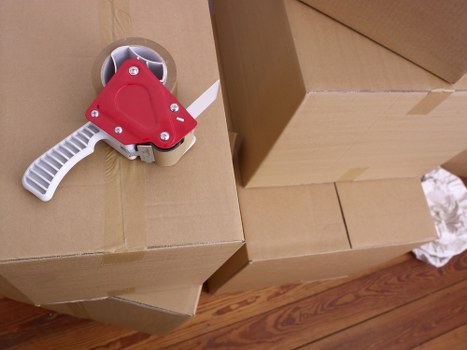
A proper office move is usually more than simply carrying items from one place to another. Most businesses need support with several parts of the process, and the exact service can be adapted to match the size and complexity of the move. The goal is to reduce stress, protect assets, and keep your operation as organised as possible.
Depending on your needs, the service may include packing assistance, furniture disassembly and reassembly, secure loading, transportation, and placement of items in the new space. Many office customers also need help handling computers, printers, monitors, confidential paperwork, archive boxes, office chairs, cabinets, meeting tables, shelving, and reception furniture. If you have items that require special care, these can be discussed in advance so the move is planned appropriately.
Typical office moving support may include:
- Packing of office contents into labelled boxes or crates
- Disassembly and reassembly of desks, chairs, and modular furniture
- Safe handling of IT equipment and peripheral devices
- Transport of documents, files, and archive materials
- Moving of breakout room, reception, and meeting room furniture
- Placement of items in designated rooms at the new premises
- Clear communication during loading and unloading
Some businesses prefer a full-service move, where the removals team handles most of the physical work. Others choose a more tailored arrangement, where staff pack their own workstations in advance and the movers handle transport and heavy lifting. Both options can work well, and the best choice depends on how much support you need, how much time you have available, and how sensitive the items are.
Office moves for different business types
Not every workplace is organised the same way, so the service should be practical rather than rigid. A small office may need just one vehicle and a compact crew. A larger company might need staged moving, with departments relocated in sections to reduce downtime. Professional practices often want secure handling of paperwork and equipment. Creative businesses may need extra care with screens, design gear, and delicate furniture. Each of these situations can be planned around the business’s working pattern and the layout of the building.
How an Office Relocation Usually Works

Most office removals in Mile End follow a clear sequence, even though every move has its own details. The first step is usually a discussion about what needs to move, the size of the office, the building access, and the preferred moving date. That initial stage helps identify potential issues early, such as parking restrictions, narrow entrances, limited lift access, or the need for careful handling of specialist equipment.
After that, the move can be planned around your business hours and the building conditions. Some customers choose to move outside normal working hours so there is less interruption to staff and clients. Others prefer a phased move, where different parts of the office are moved in stages. A good moving plan should leave enough time for packing, label organisation, building access arrangements, and any final checks before departure.
On moving day, the team will usually load items in a way that protects furniture, boxes, and technology during transport. Once at the destination, the items are unloaded and placed into the correct rooms or areas according to the agreed plan. If furniture disassembly was required, reassembly can take place once the equipment has been moved in. The aim is to help you reopen quickly, with less confusion and fewer delays.
Planning that supports business continuity
Office moves can be disruptive if they are not handled carefully, especially when staff rely on computers, phone systems, and access to files. That is why many local businesses prefer a move that is structured around continuity. For example, shared equipment might be packed last and unpacked first. Reception items can be prioritised so the front desk is operational sooner. IT equipment may be handled with extra protection so it can be set up efficiently at the new site.
If you are moving within Mile End or to a nearby area such as Bow, Whitechapel, Stepney, Bethnal Green, or Stratford, the transfer may be relatively short but still requires close organisation. Even a short-distance relocation can involve a lot of lifting, coordination, and careful sequencing. A local team that understands the route and the building environment can save you time and keep the day running more smoothly.
Book your service now if you already know your moving dates, or request a free quote if you are still comparing options and want a clearer idea of what is involved.
Preparing Your Office for the Move

Good preparation makes any office move easier. The more organised your team is before moving day, the faster the process tends to be. Preparation also helps prevent important items from being misplaced and makes it easier to unpack at the other end. While a removals team can handle the physical side, a little planning on your side can make a big difference to how smoothly the day goes.
One of the most useful steps is creating a simple inventory of what needs to move. This does not need to be complicated. A list of desks, chairs, cabinets, monitors, boxes, and shared equipment is often enough to keep things manageable. If your office contains sensitive records or specialist items, these can be marked clearly so everyone knows how they should be handled. Labelling boxes by department or room is also a practical way to avoid confusion later.
A useful preparation checklist may include:
- Confirm the moving date and access times with the building manager
- Tell staff what they need to pack and when
- Back up important digital files before the move
- Label boxes by room, team, or item type
- Separate confidential documents from general office contents
- Disconnect and prepare IT equipment according to your internal process
- Clear walkways and make sure entrances are accessible
- Set aside keys, fobs, and access codes needed for the new premises
Preparing staff and reducing disruption
Staff communication is often overlooked, but it plays a major role in a successful move. Employees should know what they are responsible for, whether they need to pack personal items, and where they will be working after the move. If some teams will arrive later than others, the move can be sequenced accordingly. A clear plan means fewer interruptions and a better experience for everyone involved.
It is also worth considering what can be done in the days before the move. Archive materials that are no longer needed in daily work can be boxed up early. Files that will remain in use until the last day can be marked separately. Non-essential items can be moved out of the way to create more space for the team on the day. These small actions can make office removals in Mile End feel much more manageable.
Pricing Factors for Office Removals in Mile End

Every office move is different, so pricing usually depends on the practical details of the job rather than a fixed one-size-fits-all figure. The most helpful quote is one based on the actual scope of work, because that gives you a clearer idea of what is included and helps avoid surprises later. If you are budgeting for an office move, it is useful to understand which factors can influence the final cost.
Common pricing factors include:
- The size of the office and the amount of furniture to move
- The number of boxes, files, and loose items involved
- Whether packing assistance is required
- Any need for furniture dismantling and reassembly
- IT equipment handling and special care requirements
- Access conditions at both properties
- Parking availability and distance from the vehicle to the entrance
- Stairs, lift use, or multiple floors
- The moving date and whether the job needs to be completed out of hours
For local businesses, clarity is usually more important than guesswork. A detailed discussion about access, inventory, and timing helps the removals team understand the move before they arrive. This can lead to a smoother and more accurate plan. It also helps you compare options fairly, because you know what support you are getting and how the move will be carried out.
Why a local company can be a better fit
Choosing a local removals company for an office relocation in Mile End can make the service feel more responsive and more practical. A local team is often familiar with the roads, the building types, the typical parking pressures, and the way commercial spaces are laid out in the area. That experience can help with timing, vehicle access, and route planning, especially where roads are busier during the day.
There is also value in working with people who understand the pace of East London businesses. Some customers need fast turnaround. Others need a careful, staged approach that allows work to continue during the transition. A local provider is often better placed to adapt the service to the realities of the area and to the expectations of nearby commercial and residential neighbours. In short, Mile End office removals work best when the service is grounded in local knowledge and practical flexibility.
Residential and Commercial Customers We Help
Although the focus here is office removals, many businesses in Mile End operate from mixed-use buildings, home offices, or shared workspaces. That means moving needs can vary widely. Some customers are relocating a compact home office setup with desks, monitors, files, and a small amount of furniture. Others are moving a full commercial workspace with multiple departments and a larger amount of equipment.
Our service is suitable for:
- Startups moving into their first office
- Established businesses relocating within Mile End
- Companies moving to nearby areas such as Bow, Bethnal Green, Stepney, Whitechapel, and Stratford
- Hybrid businesses with home office equipment to transport
- Professional practices with confidential documents and specialist items
- Shared offices and coworking spaces needing organised relocation
- Businesses downsizing or consolidating workspaces
Different customers need different levels of support. A smaller operation might only want transportation and loading help. A larger office might need help from the first planning conversation through to furniture placement at the new address. The key is to make the service useful for the way your business actually works.
If you are unsure what kind of move you need, it is usually better to discuss the practical details early. That way, you can plan around the amount of equipment, the type of building, and the time you have available. A flexible removals service can often be tailored more closely than people expect, which is especially helpful in busy parts of East London.
Local areas covered
Office relocations commonly cover Mile End and the surrounding districts where businesses and workspaces are spread across different property types. Nearby areas often include Bow, Stepney, Bethnal Green, Whitechapel, Stratford, Poplar, Limehouse, and parts of Tower Hamlets and East London more widely. If your office is just outside Mile End, it may still be straightforward to arrange a local move that suits your timetable and building access needs.
What Makes a Good Office Removals Service
When choosing a removals team, it helps to focus on practical service qualities rather than just the basic promise of transport. A good office removals service should be organised, adaptable, careful with equipment, and clear about the process. It should also be able to work around the specific demands of office life, where time, privacy, and order matter.
Look for a service that offers:
- Clear communication before the move
- Flexible planning based on your office size and schedule
- Careful handling of IT and office furniture
- Good awareness of access, parking, and building rules
- Support for both small and larger business moves
- Attention to labelling and room placement
- A professional approach that minimises disruption
It is also useful when the team is willing to talk through the move in detail. Office relocations often involve multiple stages, and businesses appreciate knowing how the day will run. That includes arrival times, loading order, item protection, and how items will be organised once they reach the destination. The more open the planning process, the easier it is to prepare your staff and avoid unnecessary stress.
How to keep the move efficient on the day
Efficiency comes from preparation, clear sequencing, and a team that knows what needs to happen. Labelled boxes, a tidy workspace, accessible entrances, and a clear point of contact on both sides all help the move go more smoothly. If your office has special requirements, such as protecting sensitive files or moving a reception area first, it is best to flag those early so the plan reflects them.
For many businesses, the biggest concern is downtime. The faster the move is completed, the sooner work can resume. That is why a well-planned removal service focuses not just on the transport itself, but on the full flow of the move from packing through to placement. When everything is organised properly, the new office feels ready sooner, and your team can get back to work with less disruption.
Frequently Asked Questions
How far in advance should I book an office move in Mile End?
It is best to arrange your move as early as possible, especially if you need a specific date, limited-access time slot, or out-of-hours relocation. Early booking also gives you more time to prepare your staff and coordinate with your building manager.
Can you move IT equipment and office electronics?
Yes, office moves often include careful transport of computers, monitors, printers, and other electronic items. These should be packed and handled with extra attention, and it helps to have a clear plan for disconnection and reconnection at the new premises.
Do you help with packing?
Many office removal services can assist with packing, either for the whole office or for selected areas such as archives, shared equipment, or fragile items. Some businesses prefer to pack themselves, while others want a more hands-on service.
Can a move be done outside normal working hours?
Yes, out-of-hours or weekend moves are often useful for businesses that want to minimise disruption. This can be especially helpful if your office is busy during the day or if access to the building is easier at quieter times.
What if my office is in a building with difficult access?
Tight access, stairs, shared entrances, and limited parking are all common in Mile End and the surrounding areas. These factors can usually be managed with careful planning. It is important to mention them early so the removals team can prepare properly.
Do you handle small office moves as well as larger relocations?
Yes, office removals can be scaled to suit small and large businesses alike. A small workspace may only need a simple furniture and box move, while a larger office may need a more structured relocation plan.
Can you move us to nearby areas outside Mile End?
Absolutely. Many office moves involve a short transfer to nearby East London locations such as Bow, Stepney, Bethnal Green, Whitechapel, Stratford, Limehouse, or Poplar. Local moves are often easier to plan, but they still benefit from professional organisation.
Ready to plan your move?
If you are preparing for an office relocation in Mile End, now is a good time to start the conversation. Request a free quote, share your moving dates, and let the service be shaped around your building, your team, and your schedule. Contact us today to discuss your office removals in Mile End and take the next step with confidence.